





MARUHIRO
Architect Yusuke Seki's Store Interior of 25,000 Discarded Ceramics Continues It's Intended Legacy
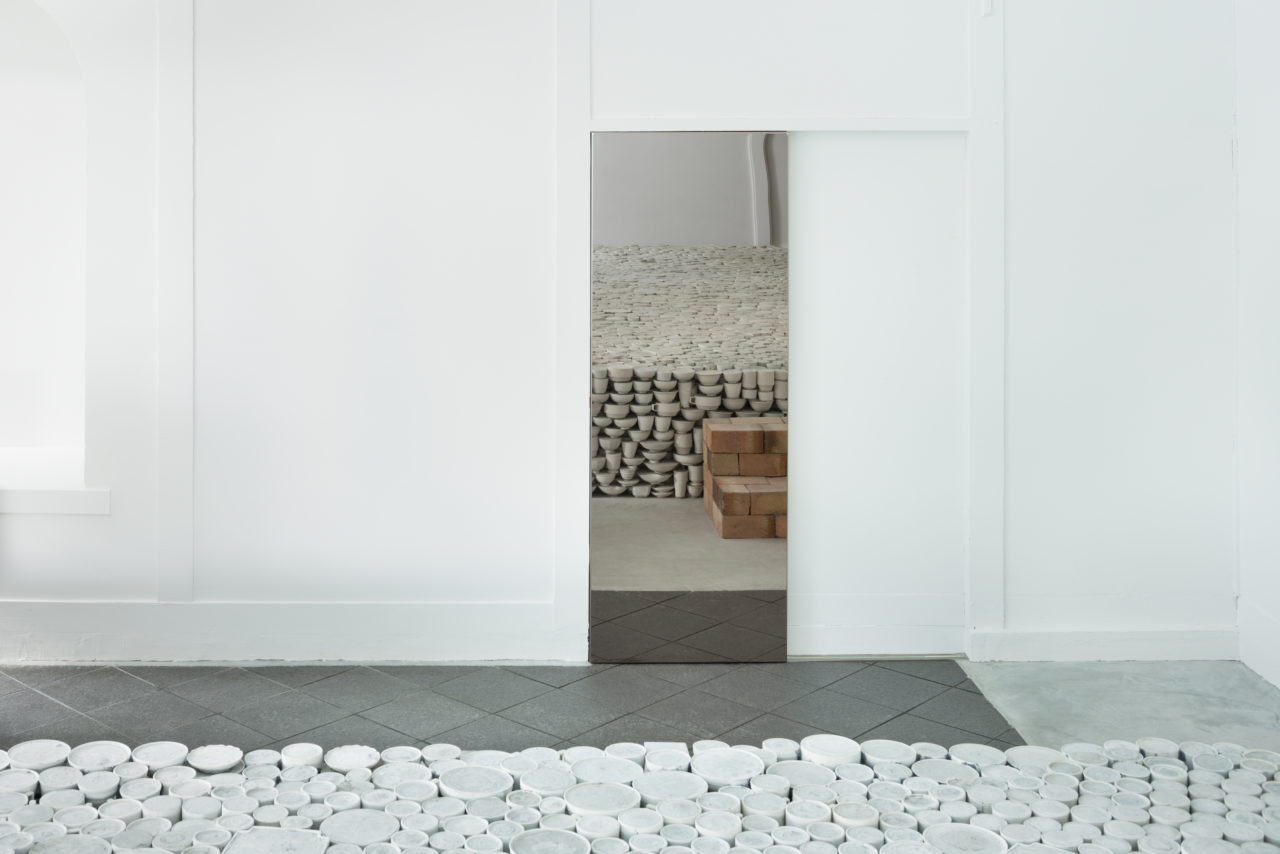
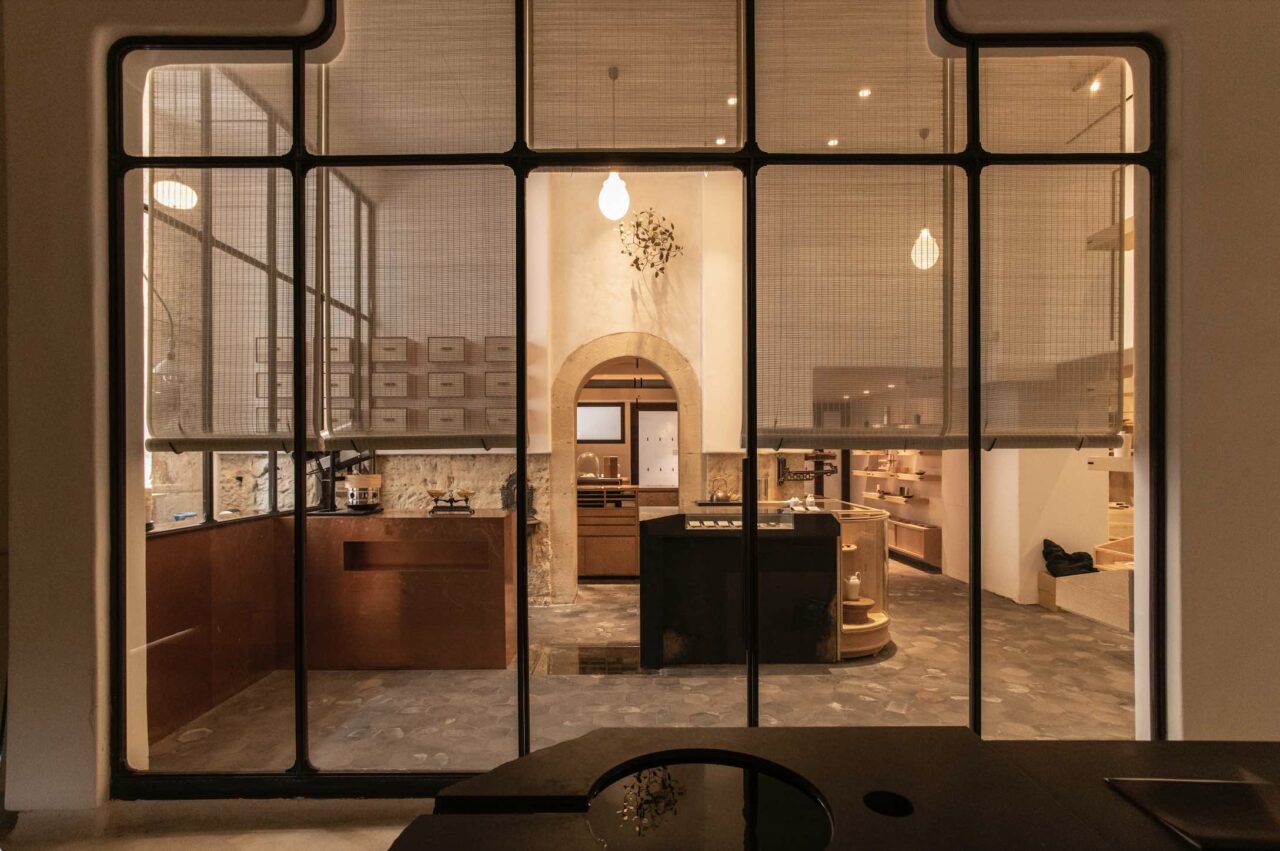
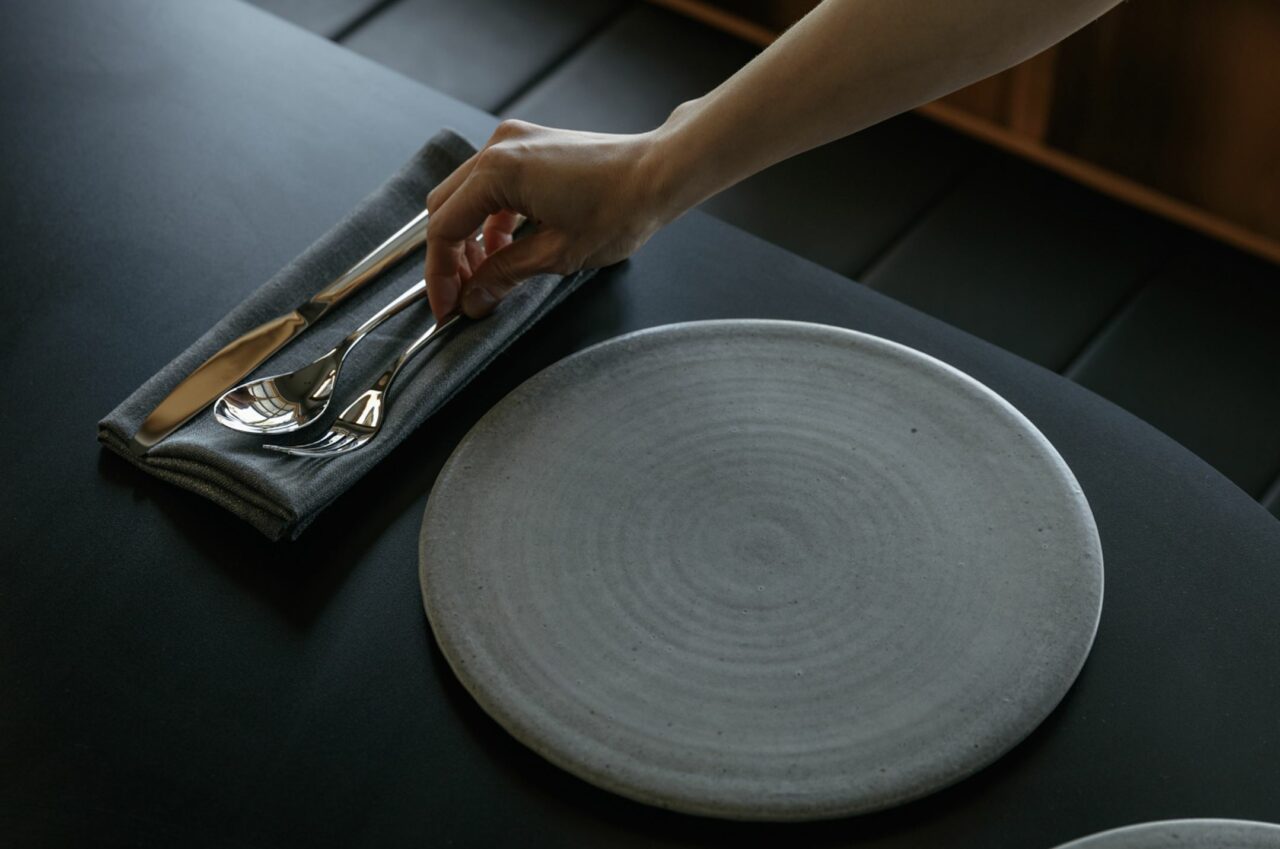
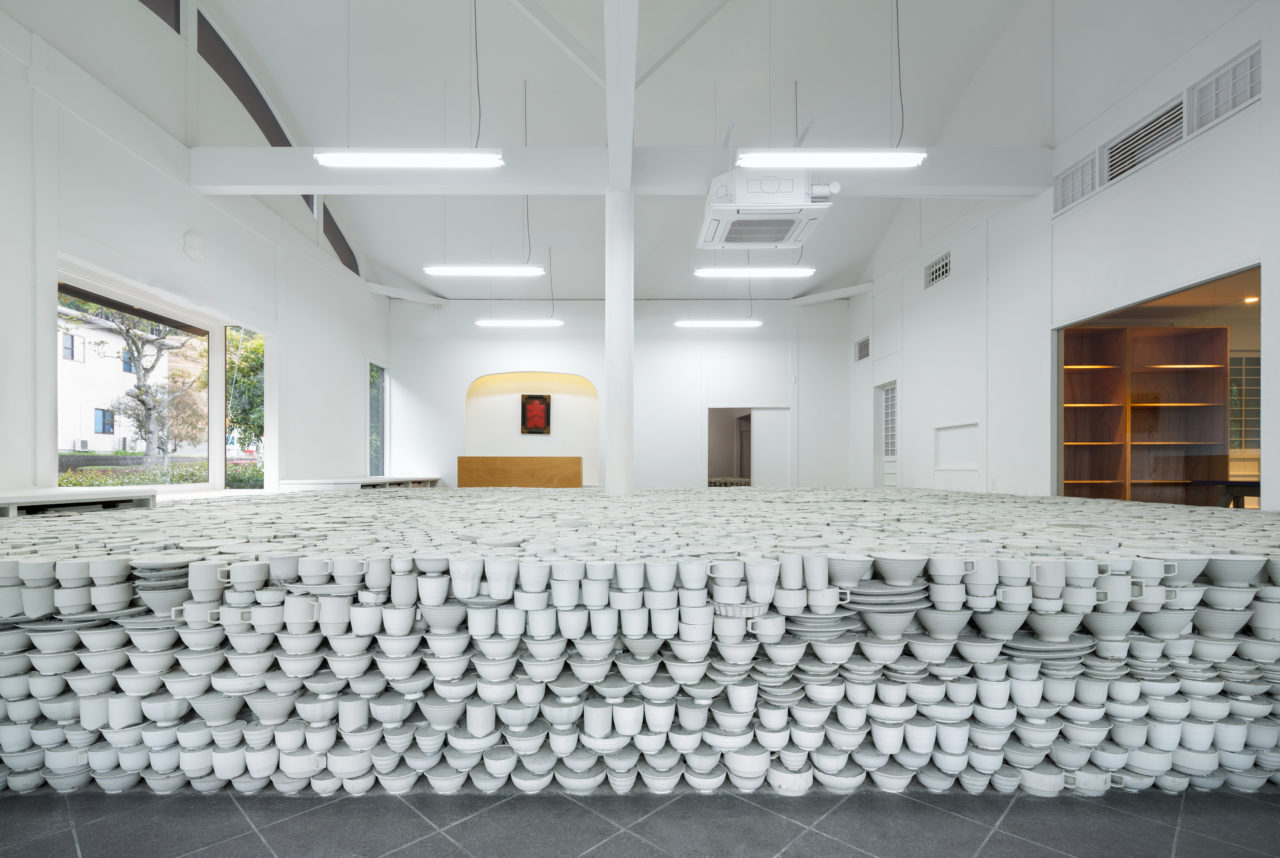
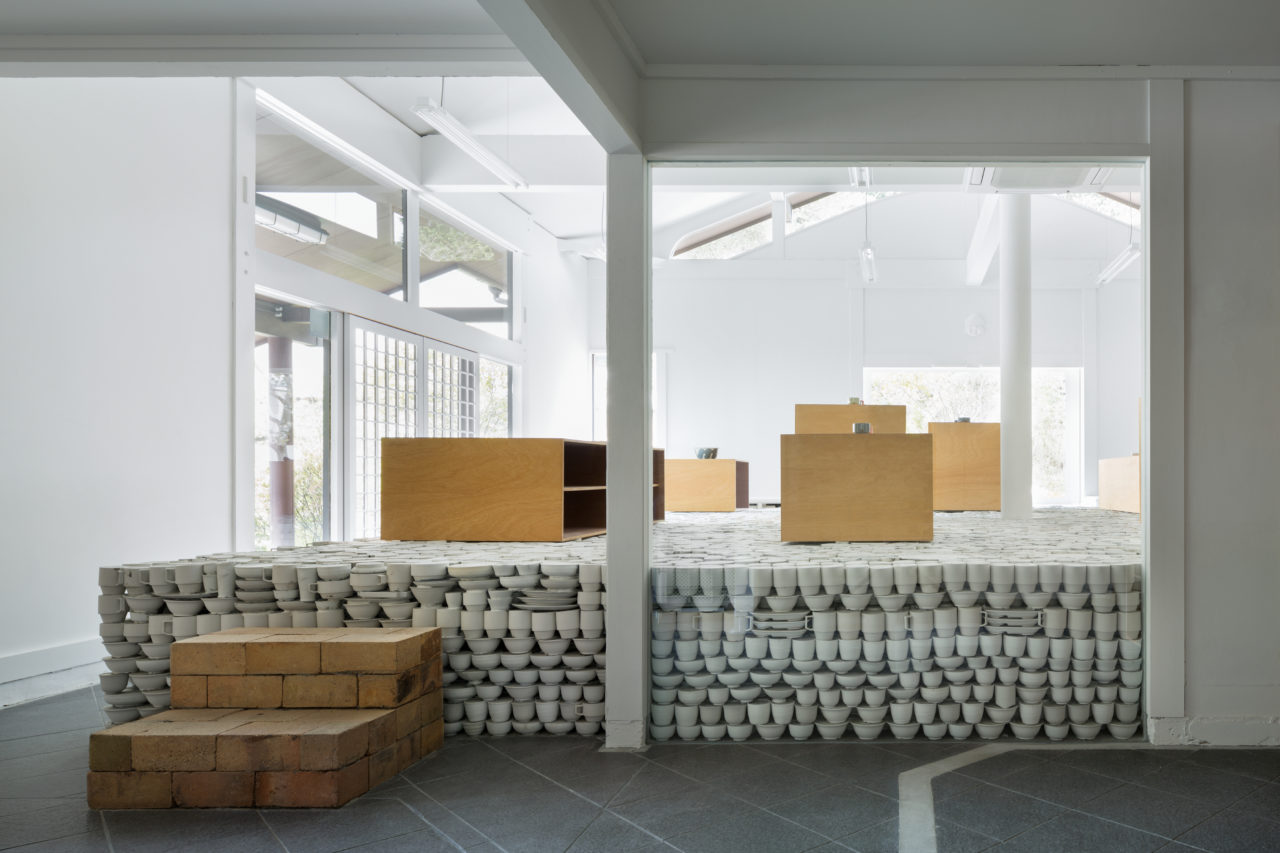
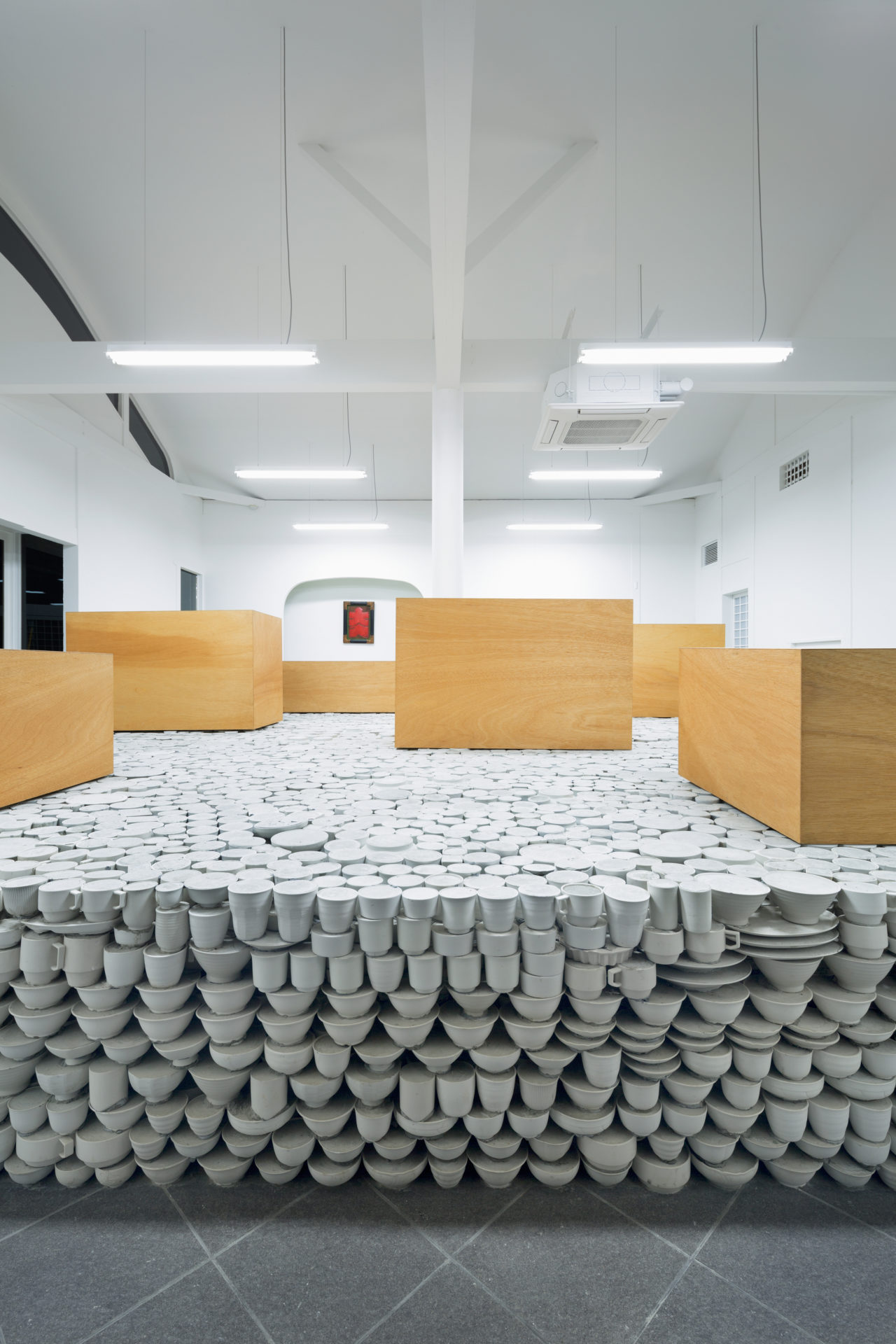
Architect Yusuke Seki projects are easily distinguishable for their calculated minimalism and unconventional design. He redefines the typical navigation of a store or hotel interior, and reimagines the potential of the way we experience space. Establishing his own studio in 2008, one of Seki’s key defining projects that gained generous attention was an interior design for ceramics company Maruhiro‘s flagship store based in Nagasaki, Japan. Known for their porcelain and pottery, Seki utilised 25,000 pieces of imperfect, discarded tea sets and tablewares to create an interior like no other.
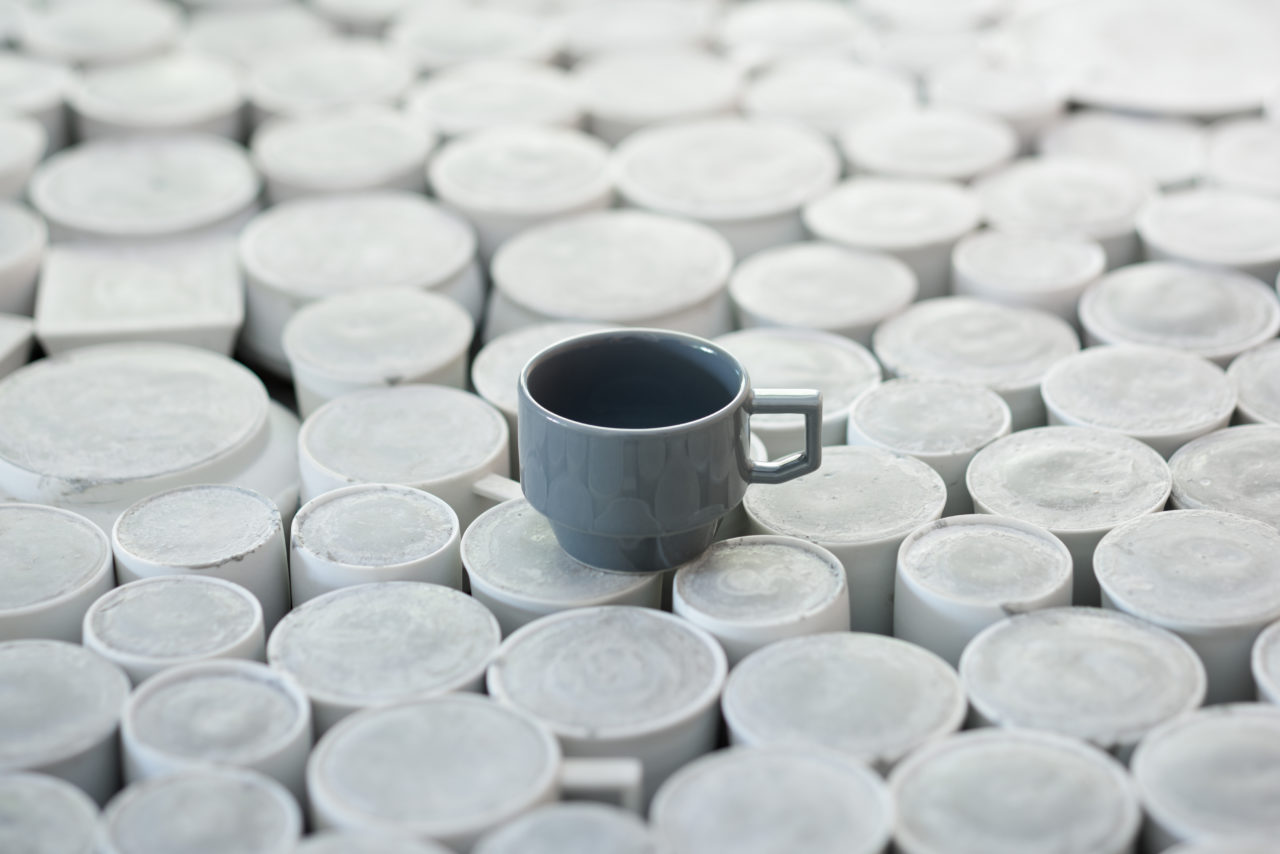
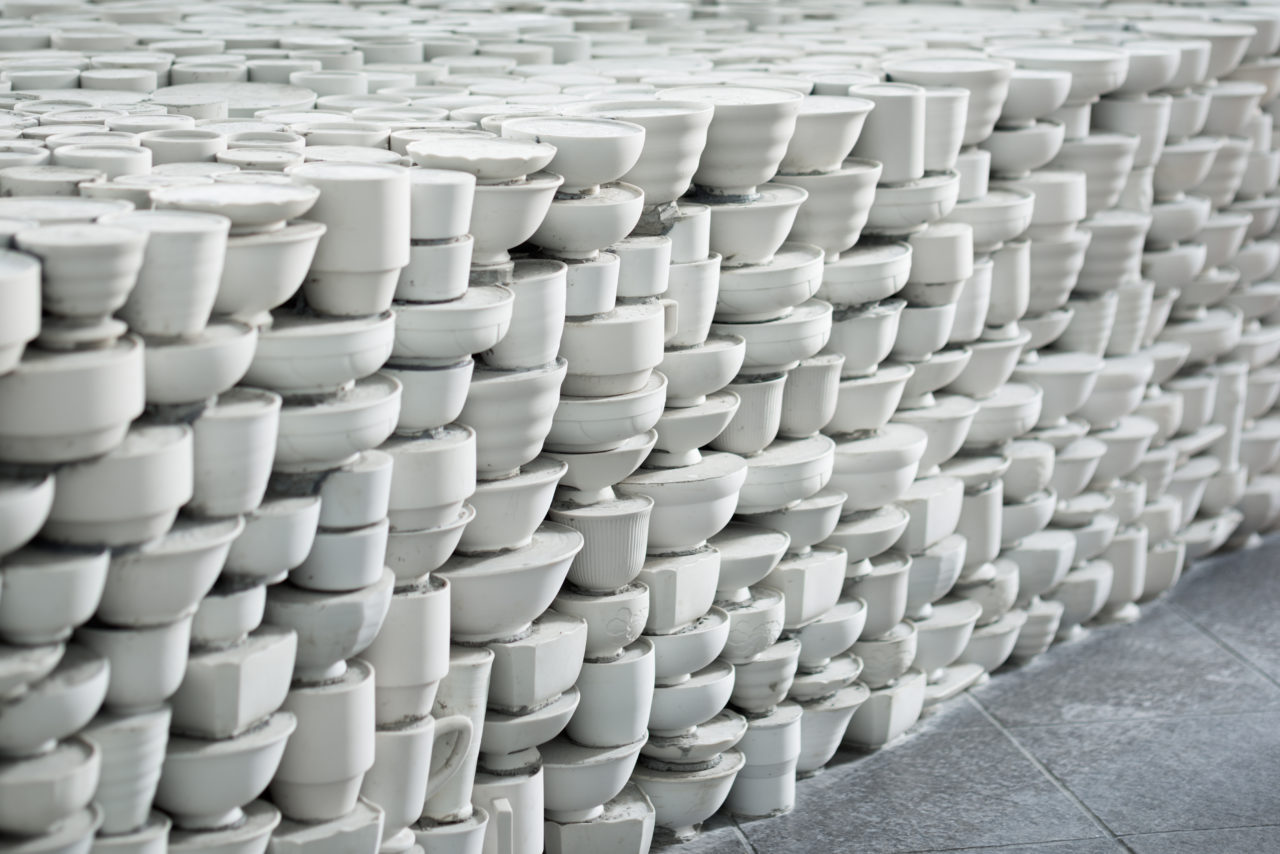
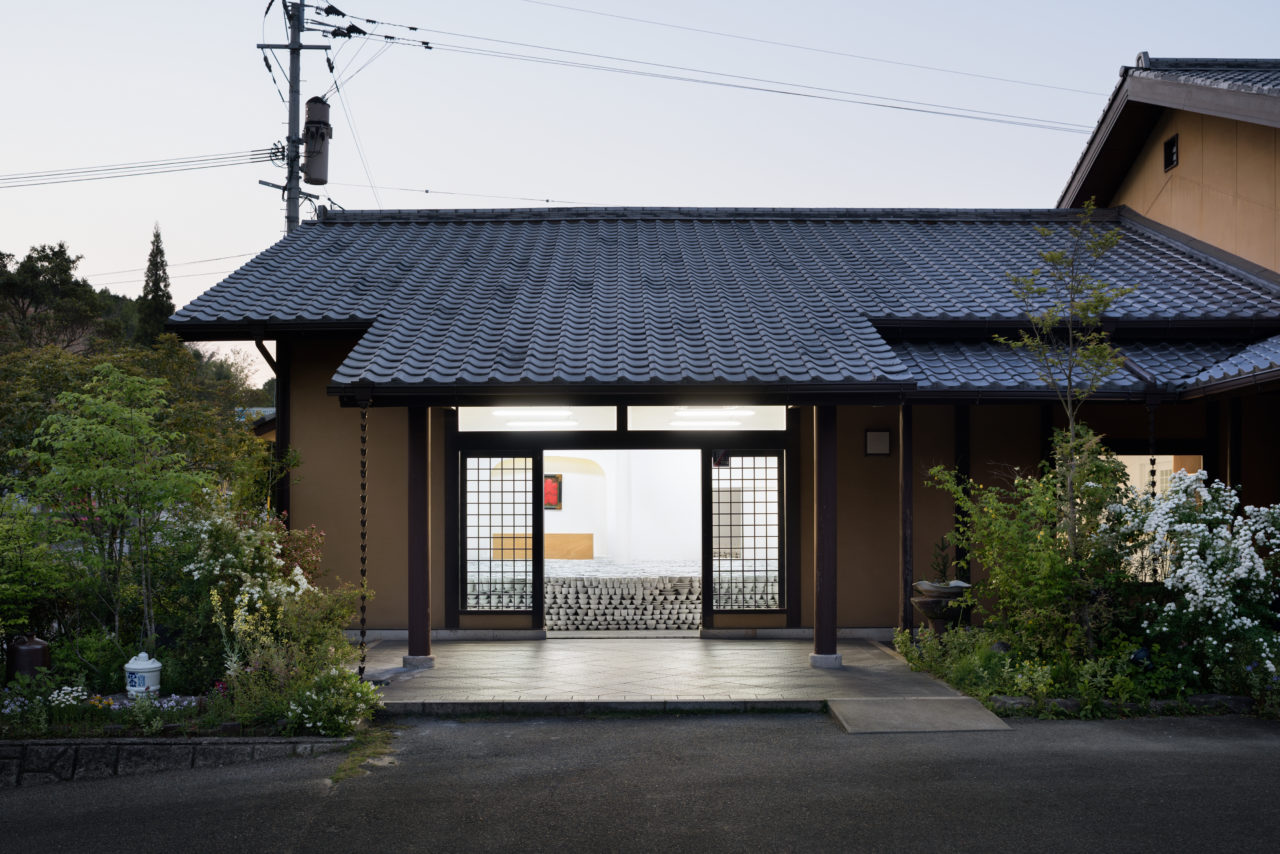
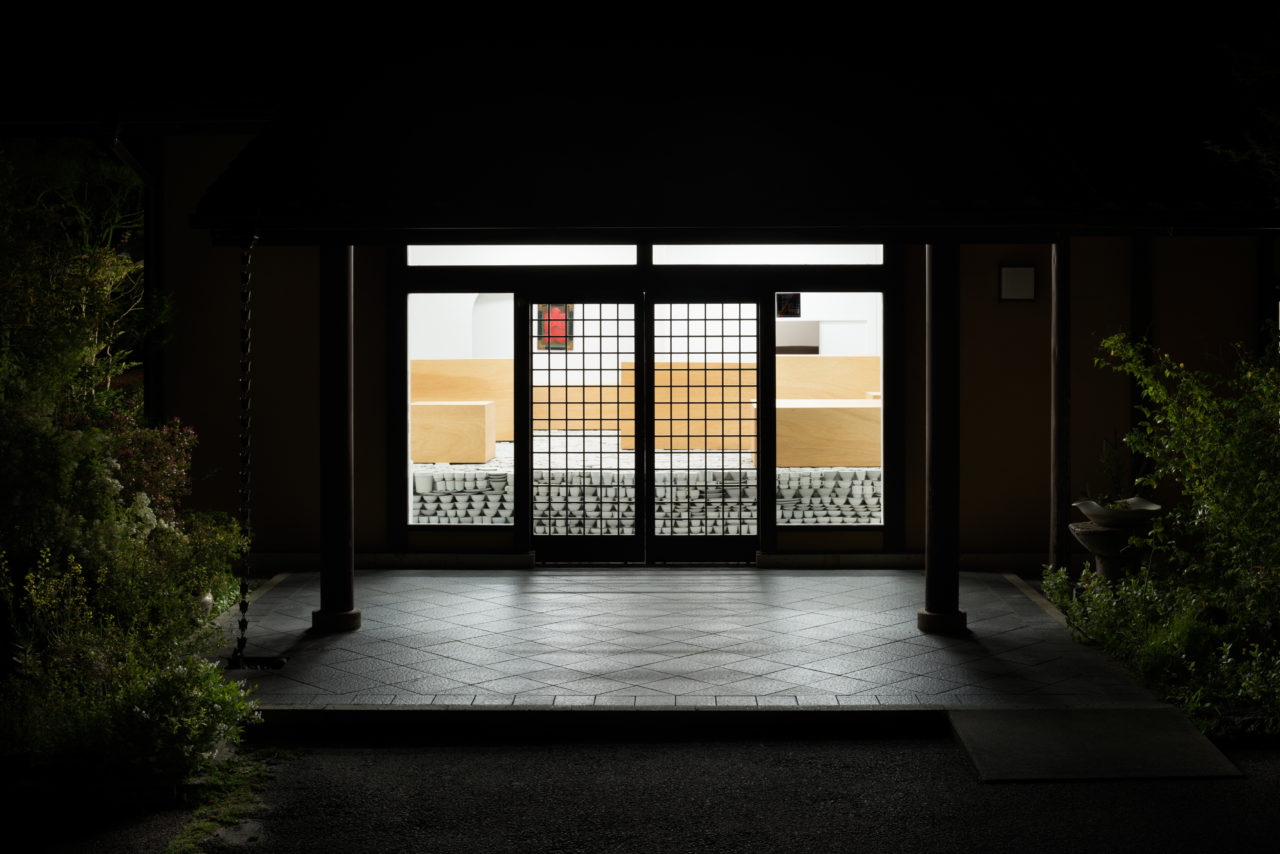
Seki’s design concept was led by the region’s renowned hasami porcelain history dating back to the early 17th century. By presenting them as a central design element in the store interior, he aimed to champion the material’s legacy with full visual force. With a sustainable approach, he filled the discarded cups, plates, and bowls with concrete to strengthen their voids and then stacked them together like bricks to over a metre-high in Tetris-like precision. By creating new volumes central in the interior, they not only showcased the repurposed material as an interior installation, but provided aded functionality as a raised floor and platform to display other products with additional timber plinths. Although the project was complete in 2015, it remains one of the most impressive store interiors led by a practicality of site history paired with sustainability.
Champ Editor Joanna Kawecki spoke with architect Yusuke Seki on his inspiration for the design, and how the unconventional store interior makes it a popular destination that encourages both memorability and an increase in customer sales, even in its rural positioning.
Words: Joanna Kawecki
Photography: Takumi Ota
Project: Maruhiro Flagship Store, Nagasaki, Japan
Architect: Yusuke Seki