












PARK HYATT TOKYO
Studio Jouin Manku Reframe An Enduring Legacy
The bar is high, literally, at the storied Park Hyatt Tokyo that has held a storied legacy for over 30 years.
Rising from the 41st floor of Shinjuku’s Park Tower, a monolithic building defined by three pointed pyramid peaks designed by legendary Japanese architect Kenzo Tange in 1994, find the enduring Park Hyatt Tokyo hotel. Firstly, Tange’s structure itself is something to behold as a stepped, granite-and-glass skyscraper providing an instantly-identifiable skyline silhouette across the capital. Yet once inside, find the equally-timeless hotel, nestled within the building since its unveiling and recently undergoing an extensive renovation — four years in planning and 19 months in execution to be exact — to utter perfection.
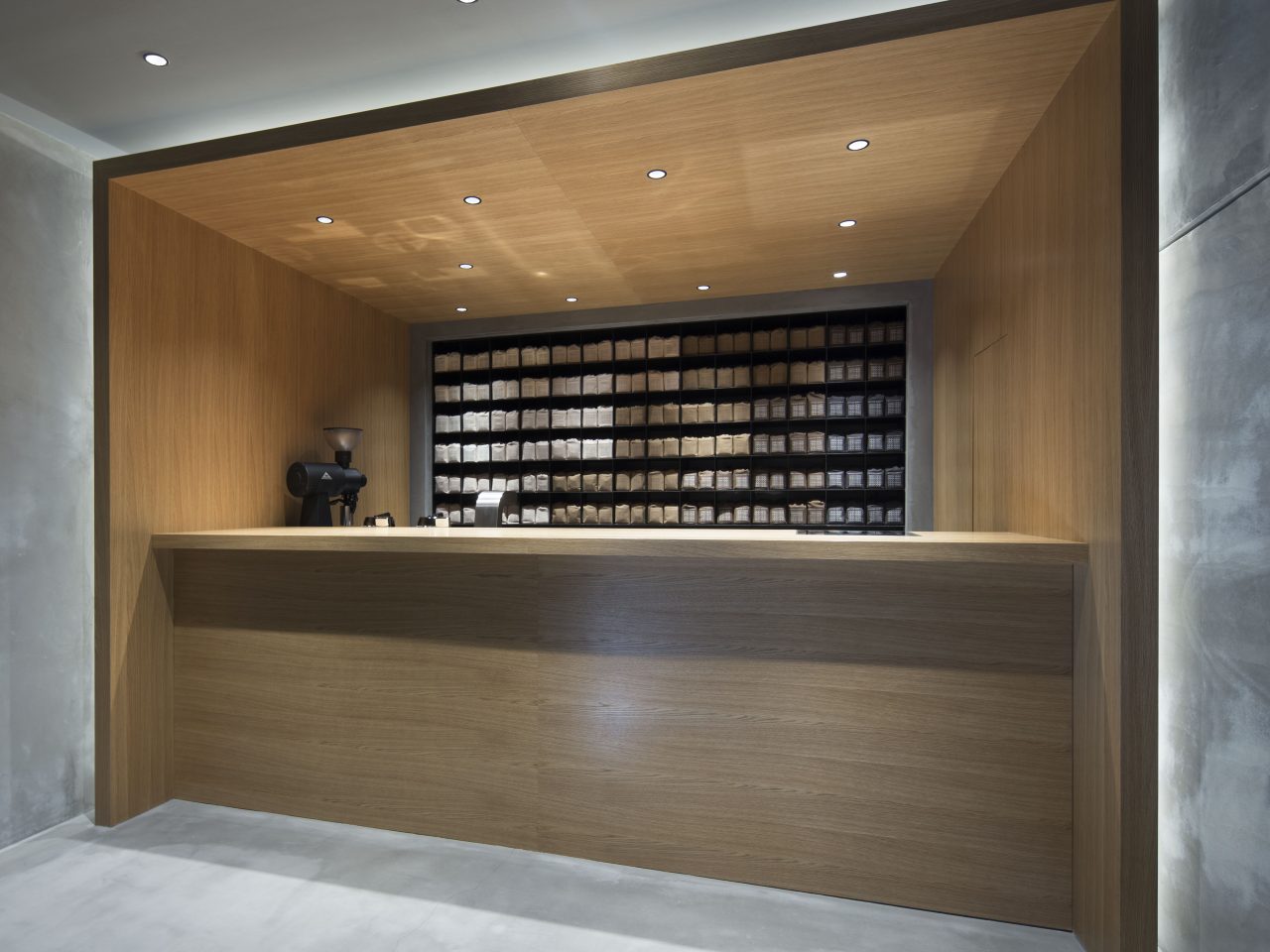
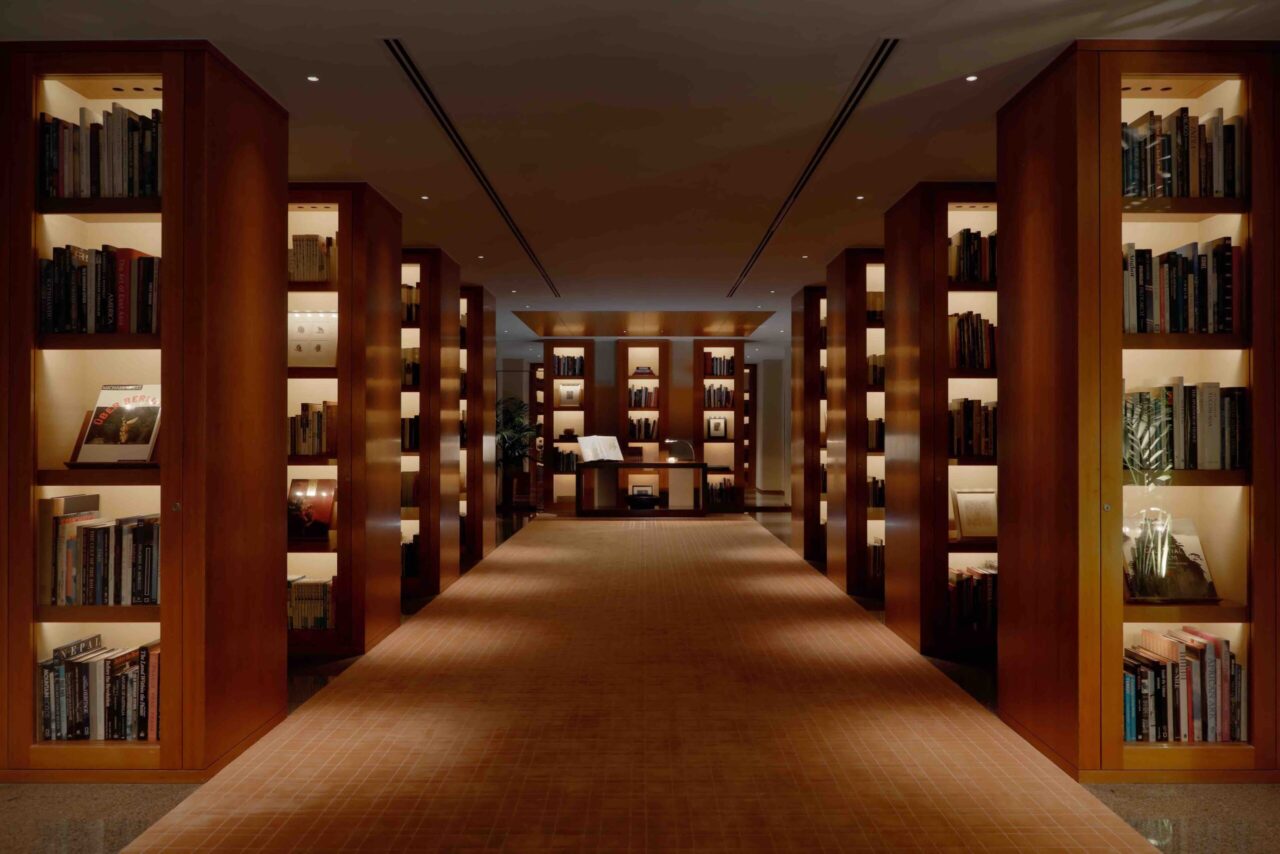
At Park Hyatt Tokyo, arrival is a lesson in sequence. Guests ascend by elevator to a sky lobby, then proceed through a series of thresholds, each one lowering the pulse. Ceilings are generous, never theatrical. Materials do the talking: warm cherrywood, polished granite, and brushed metal, laid down with the discipline of a Japanese tea house translated into a tower. The hotel’s original interiors refer to a sensibility that never aged: first envisioned by New York designer John Morford, leading the interior design when the hotel first opened in 1994, each detail has matured with remarkable grace.
Whilst the original interiors were first designed by Morford in 1994, now after three decades, the hotel has welcomed a refresh, respectfully re-envisioned by Paris-based Studio Jouin Manku who have preserved the hotel’s core values with modern flair. The extensive renovation was complete in 2025 after much anticipation from fans worldwide; a testament to the emotional tenure and respected global reputation of the hotel. Studio Jouin Manku co-founder Sanjit Manku notes on the design, “In a city as vibrant as Tokyo, silence itself can be a form of luxury. The hotel has always embodied a quiet strength. Our goal was to rekindle its warmth—to let its spirit breathe anew, so guests can once again feel the serenity and humanity that define this place, while preserving its iconic character for the next 30 years.”
As contemporary art remained central to the hotel, the enduring original paintings of artist Yoshitaka Echizenya to the defining works of Valerio Adami’s murals and Minoru Nomata’s Metropolis series remain in the hotel with lasting fortitude.
With four main on-site dining facilities — Japanese restaurant Kozue; The Peak Lounge & Bar; Girandole by Alain Ducasse (a lively brasserie-style restaurant by day and by morning, where guests enjoy their morning breakfast); and New York Grill and Bar (open until midnight) — including Delicatessen & Pastry Boutique located on the ground floor — there’s truly something for everyone.
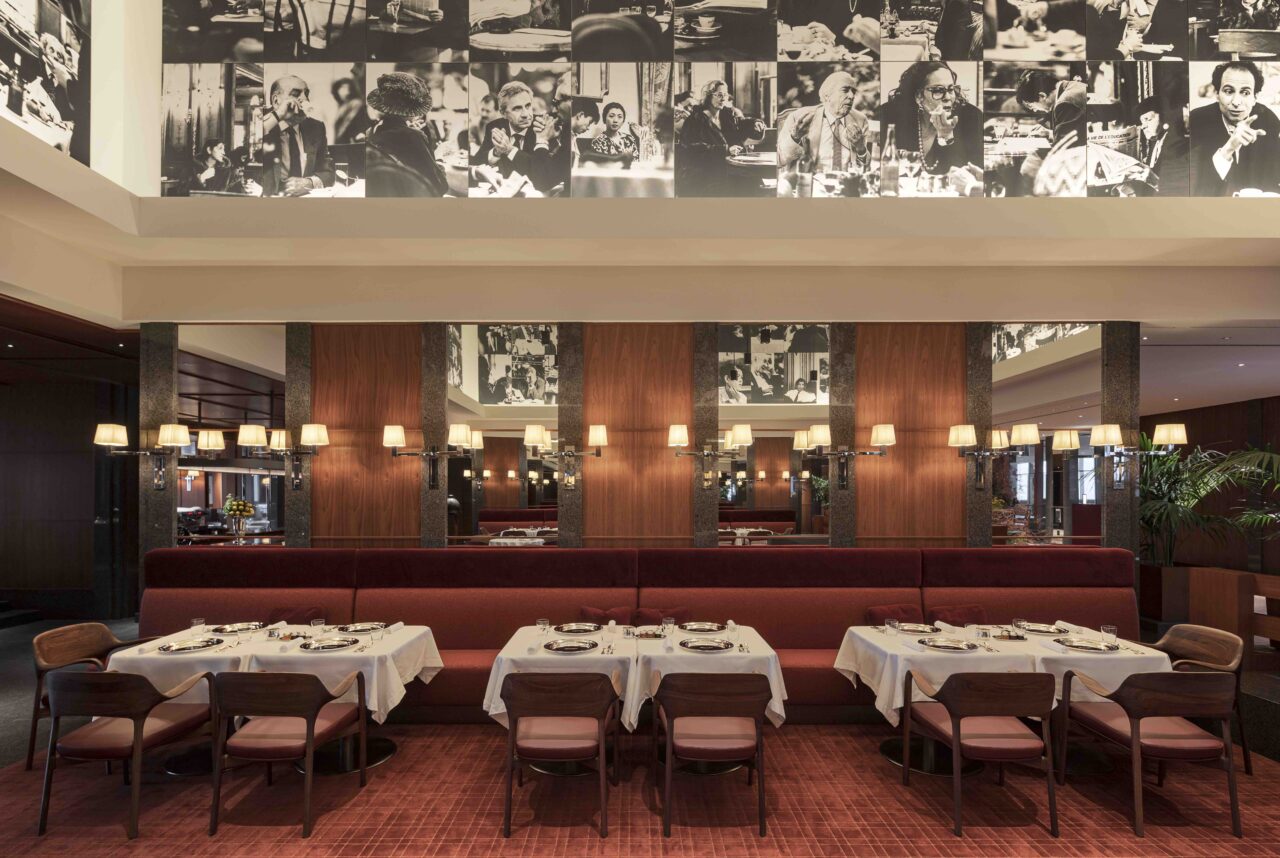
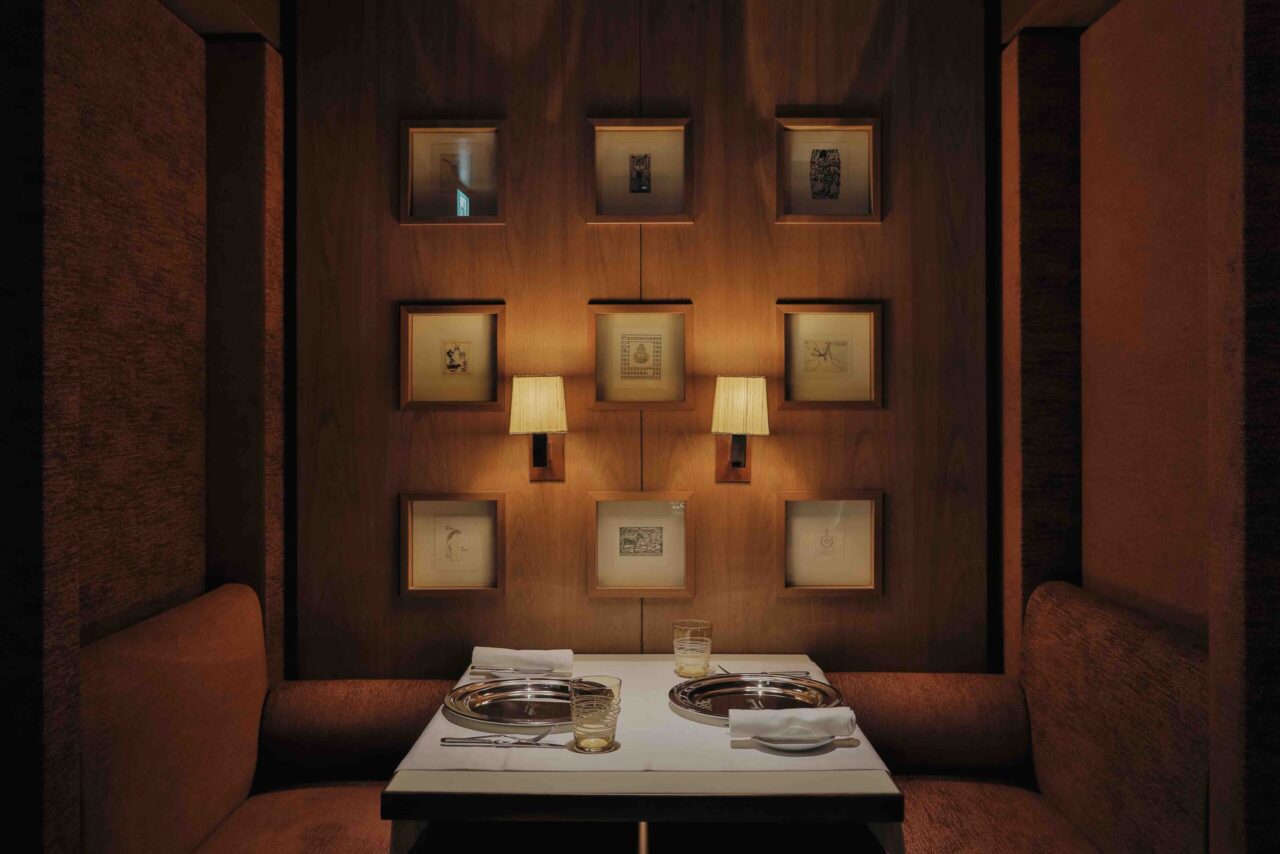
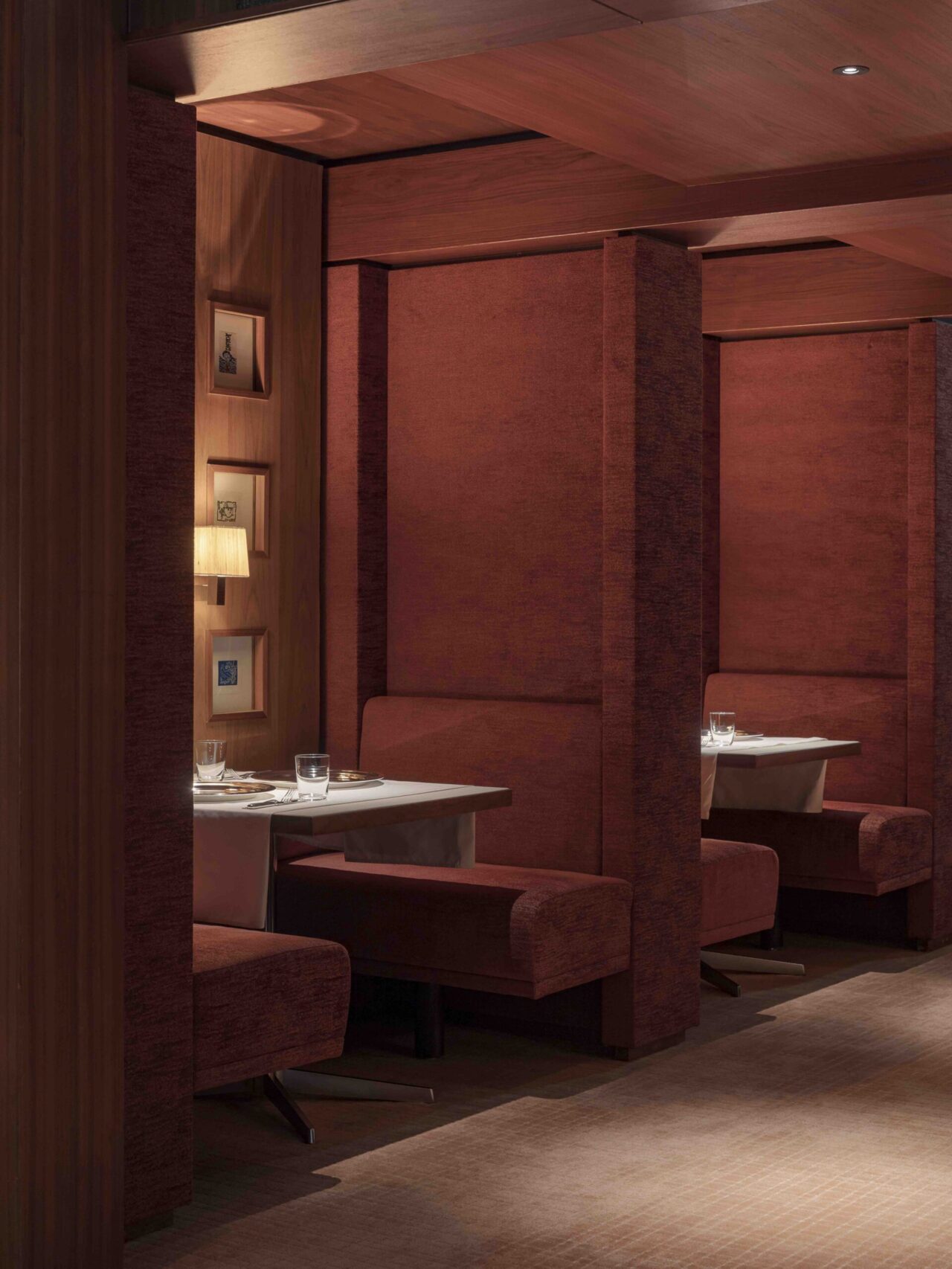
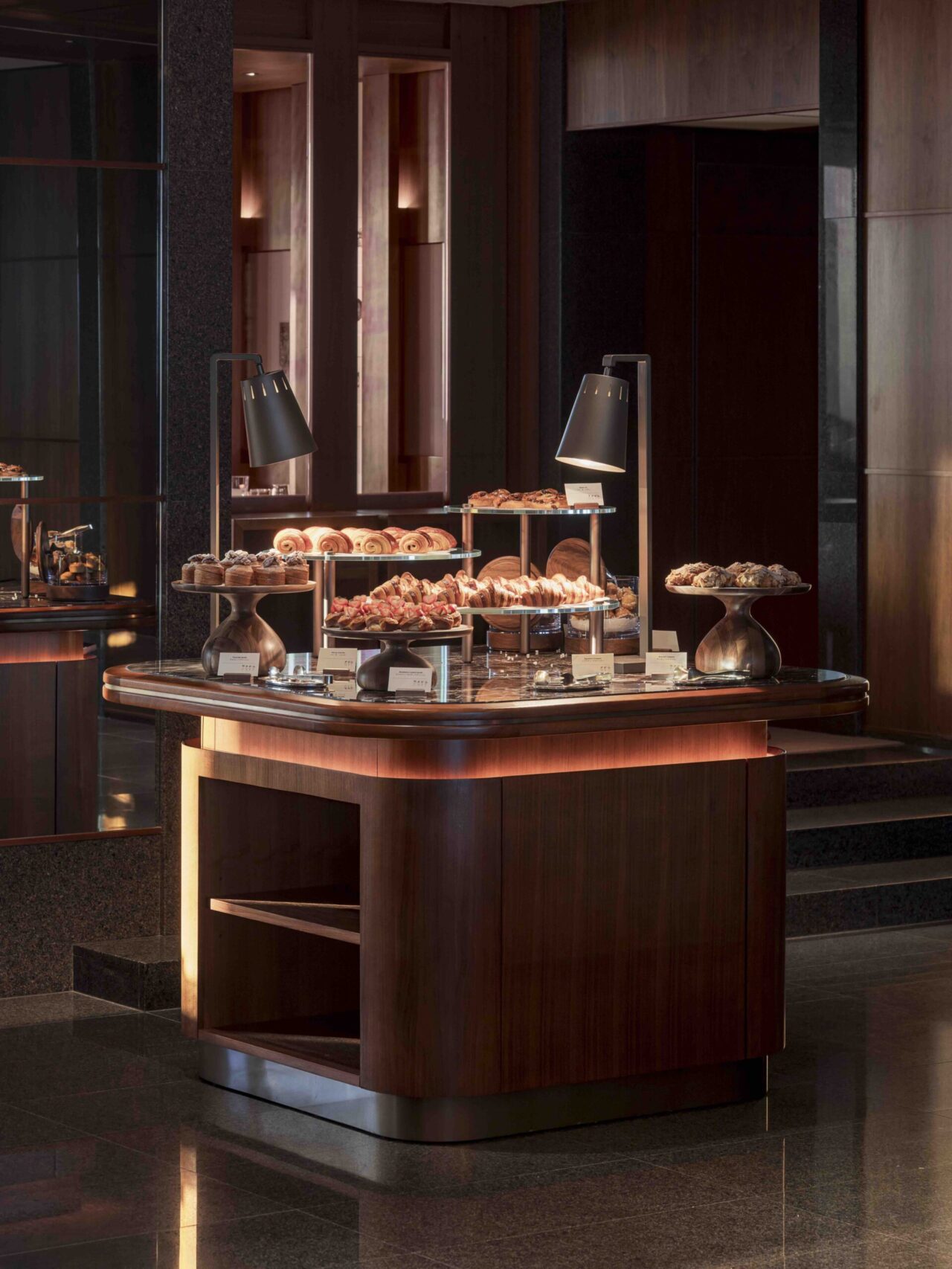
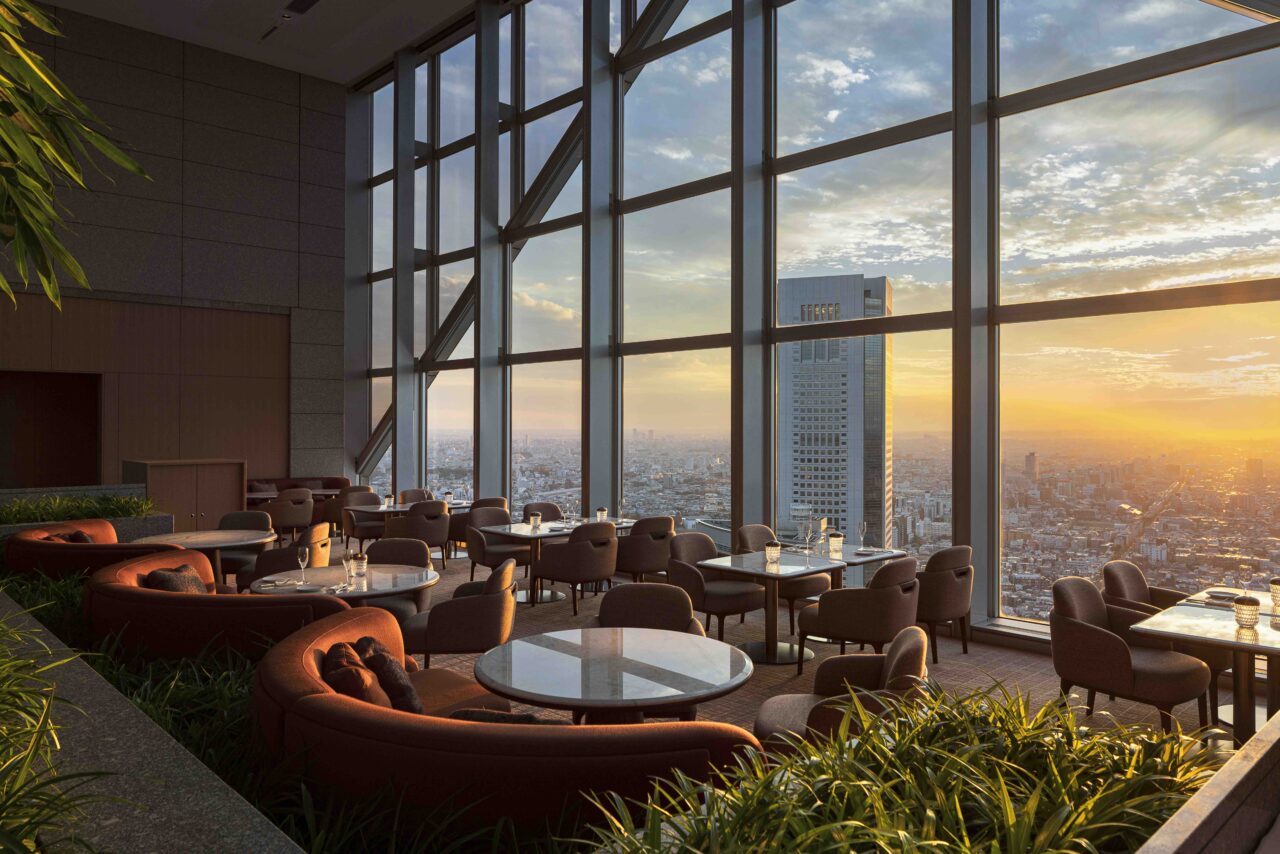
As dining begins on the 41st floor, The Peak Lounge & Bar offers a relaxed setting with panoramic views of the city alongside drinks, a la carte light bites, sandwich, burger and desserts. Choose from their seasonality-led cocktail series ‘Six Prefectures, One Skyline’ to an excellent offering of innovative Zero Proof Cocktails. As the sun sets with a dramatic view of the entire city skyline, a standout cocktail to enjoy was the ‘Zest Chapter’, featuring Kumamoto citrus and egg whites gently blended with Nabeshima Tokubetsu Junmai, an award-winning dry sake produced by a historic family brewery from Saga prefecture. The result is a superbly balanced and refreshing tipple.
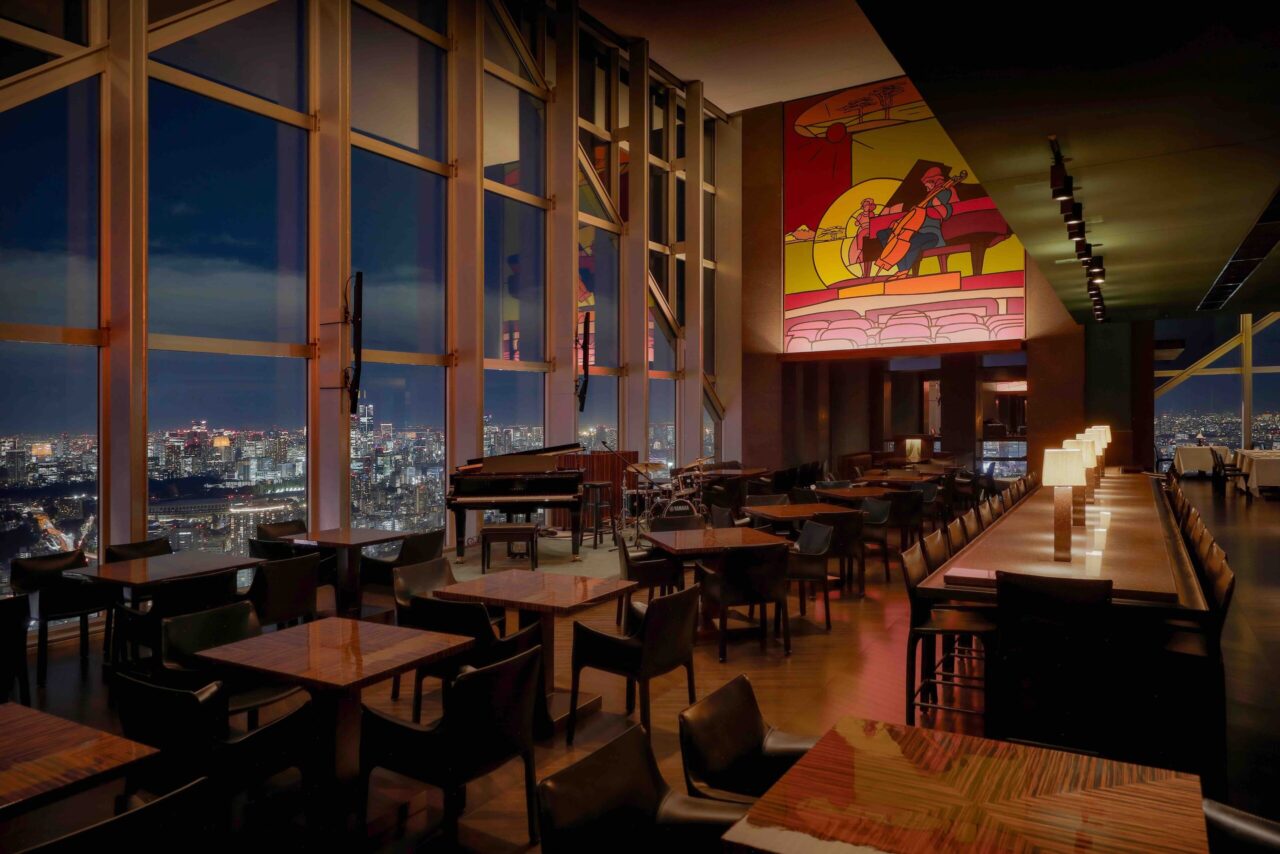
Heading up to the 52nd floor where the New York Grill and Bar is located — there’s a rush of nostalgia. This floor was often a first stop for many travellers when visiting the city; undoubtedly fuelled by an iconic film. Here it’s where guests can enjoy Grilled Japanese Beef F1 Sirloins, Market Fish and seasonal grilled vegetables across an open kitchen. By the bar, lives jazz pairs beautifully with a classic gin martini that has remained inimitably exactly the same — still prepared to divine perfection.
At Park Hyatt Tokyo there is something for everyone. For solo travellers, the property features many intimate corners to cosy up in. For families, the hotel’s proximity to many of Tokyo’s key attractions allows for a streamlined trip. For couples, the hotel exudes romanticism driven by the shimmering evening lights of the city itself.
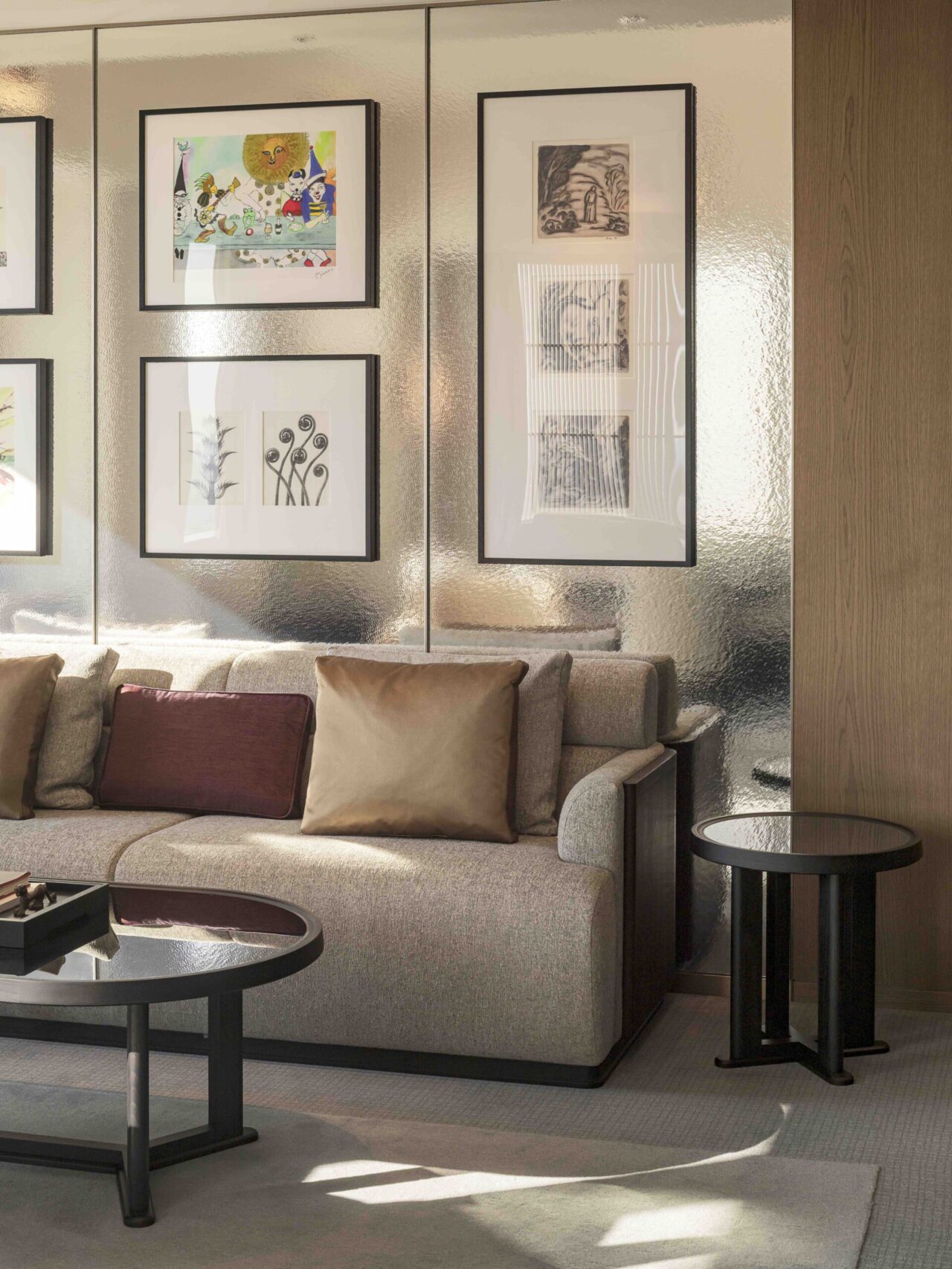
Across the 171 guest rooms redesigned by Studio Jouin Manku, arguably among the largest in Tokyo, find muted warm tones. Layouts are generous and fluid: daybed beside expansive windows to soak in the views, a sunken bath positioned to meet the skyline, wardrobe sections clad in timber, a desk set to catch the light. Bathrooms in stone and wood offer a spa-like decompression. Here, stone and wood are a celebrated collaborator. Art, another kind of collaborator, enhances rooms with newly-commissioned lithographs and classic Isamu Noguchi akari lighting.
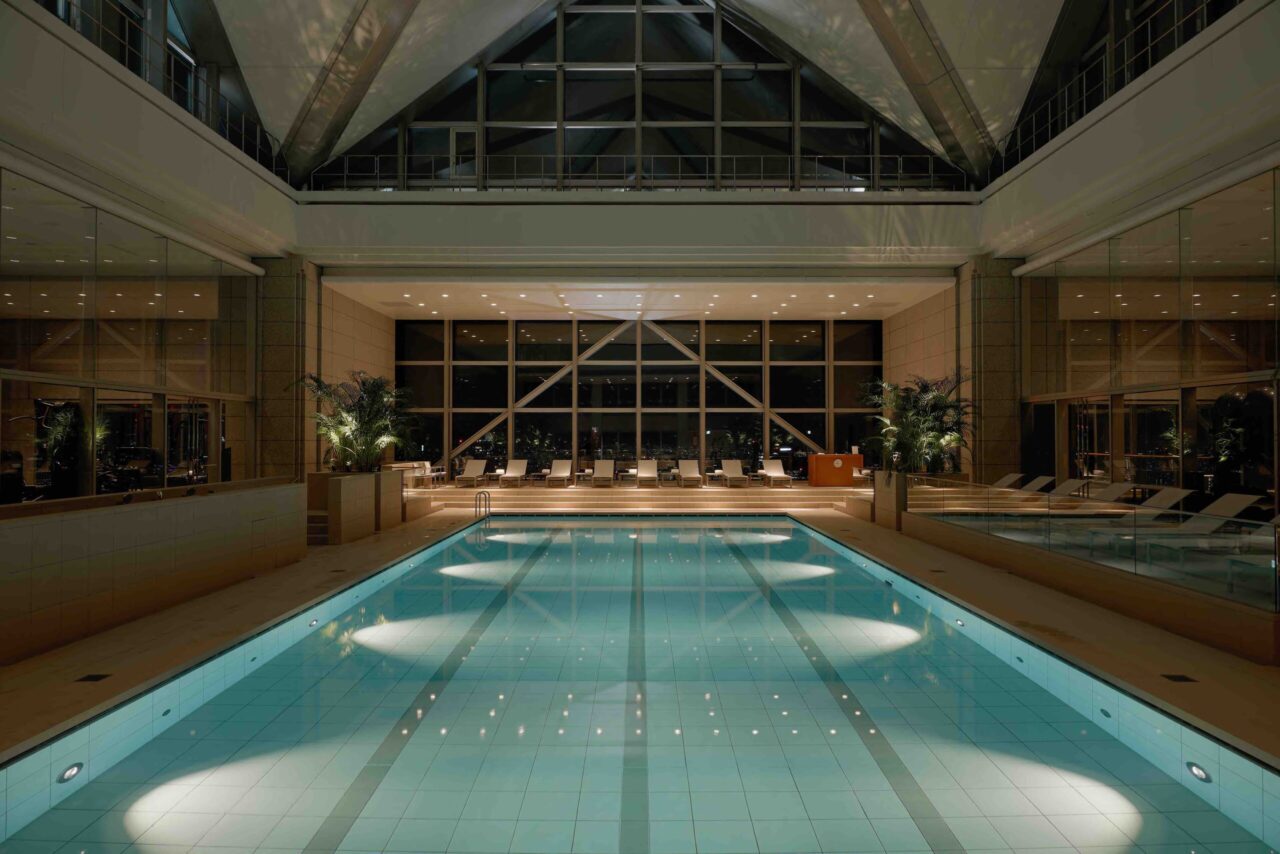
Spa and wellness lands on the 45th floor, where marble whirlpools, saunas, cold plunges, seven private treatment rooms and even a couples’ suite that ensure you never have to leave the property. For the hotel’s 65-by-26-foot swimming pool, enclosed beneath the 47th floor’s glass-and-steel atrium, may be the building’s most poetic gesture. Swimmers glide against the sky — an extraordinary experience — suspended between structure and cloud, a space that feels engineered for stillness amid the city’s pulse.
What distinguishes the Park Hyatt Tokyo is its refusal of spectacle. It is simply a classic. In an era of Instagram-ready atriums and maximalist lobbies, it trusts proportion, material, and light. The hotel has remained a pivotal icon of the city for many reasons — notably due its central feature in Director Sofia Coppola’s film Lost In Translation. Whilst the film amplified the hotel’s fame, in a way it has only deepened its mystique, sequestering its own legacy through each individual experience developed across generations. This is exactly what General Manager Fredrik Harfors understands — the magnitude of the legacy — and with this brings a deep expertise to steer the hotel into the future.
At the Park Hyatt Tokyo: Tange built the shell; Morford furnished the mood and Studio Jouin Manku continue the legacy. Together they’ve produced something rarer than a landmark: it’s a sanctuary that wears its years as patina rather than age. In a city that reinvents itself constantly, Park Hyatt Tokyo endures by its timeless wonder.
PARK HYATT TOKYO
3-7-1-2 Nishi-Shinjuku,
Shinjuku-Ku, Tokyo
163-1055, Japan
For more luxury design destinations, discover Champ Travel